June 15, 2026
Understanding the longevity of concrete work done by a concrete contractor is crucial for anyone investing in construction or renovation projects. Concrete is an essential building material known for its compressive strength, but its longevity depends on numerous elements. Proper maintenance and timely interventions can significantly enhance its lifespan, while neglecting these aspects can lead to premature deterioration. This article delves into the lifespan of concrete, detailing factors influencing its durability and the necessary maintenance to ensure lasting quality.
1. The Basics of Concrete Longevity
1.1. Understanding Concrete Composition
Concrete is made up of three primary components: cement, aggregates, and water. The cement acts as a binder, uniting the aggregates, which are typically sand, gravel, or crushed stone. The type and quality of these materials play a pivotal role in determining how long concrete will last. For example, the use of high-quality cement and aggregates with low porosity can enhance durability by minimizing water absorption. Moreover, additives can be introduced to further improve performance, such as fly ash or slag, which can increase strength and durability in varying conditions.
The water-to-cement ratio is another crucial factor affecting concrete longevity. A lower ratio means a stronger, more durable concrete mix, as excess water can create voids within the hardened material, making it more susceptible to environmental damage. Properly proportioning these components ensures a dense, well-compact mix resilient to weathering and wear. Additionally, the quality control processes done by a concrete contractor during mixing and applying concrete are vital to avoid issues like segregation and bleeding, which compromise structural integrity.
An intricate understanding of the chemical reactions between these components also impacts long-term performance. As concrete cures, a process known as hydration occurs, forming crystalline structures that bond the aggregates together. Complete hydration ensures durability, while inadequate curing can leave weak spots vulnerable to stress and environmental factors. A well-formulated concrete mix, sensitive to the specific needs of the project, contributes to a longstanding structure.
1.2. The Role of Environmental Factors
The environment in which concrete is placed by the concrete contractor significantly influences its longevity. Exposure to extreme temperatures can lead to thermal cracking, where expansion and contraction cycles cause structural strain. In regions with frequent temperature fluctuations, selecting aggregates with low coarseness can mitigate the risks associated with thermal movement. Additionally, proper insulation and expansion joints can alleviate stress, preventing damage and extending the lifespan of concrete structures.
Moisture levels in the environment also play a critical role. Concrete's porous nature can absorb water, which contributes to issues like freeze-thaw damage, efflorescence, and biological growth. Implementing barriers to moisture and adequately designed drainage systems can reduce these risks. Furthermore, environmental pollutants, such as industrial chemicals and acid rain, can accelerate degradation; thus, choosing the right protective coatings can guard against such elements.
Weather patterns, including wind and rain, can influence carbonation, a process that affects concrete's chemistry leading to surface weakening. By integrating preventive strategies like surface treatments, the concrete becomes more resistant to these external influences. Ultimately, understanding and adapting to environmental conditions are essential in maximizing concrete longevity. When adequately addressed by a concrete contractor, these considerations can significantly enhance the durability and service life of concrete structures.
1.3. Initial Curing Process
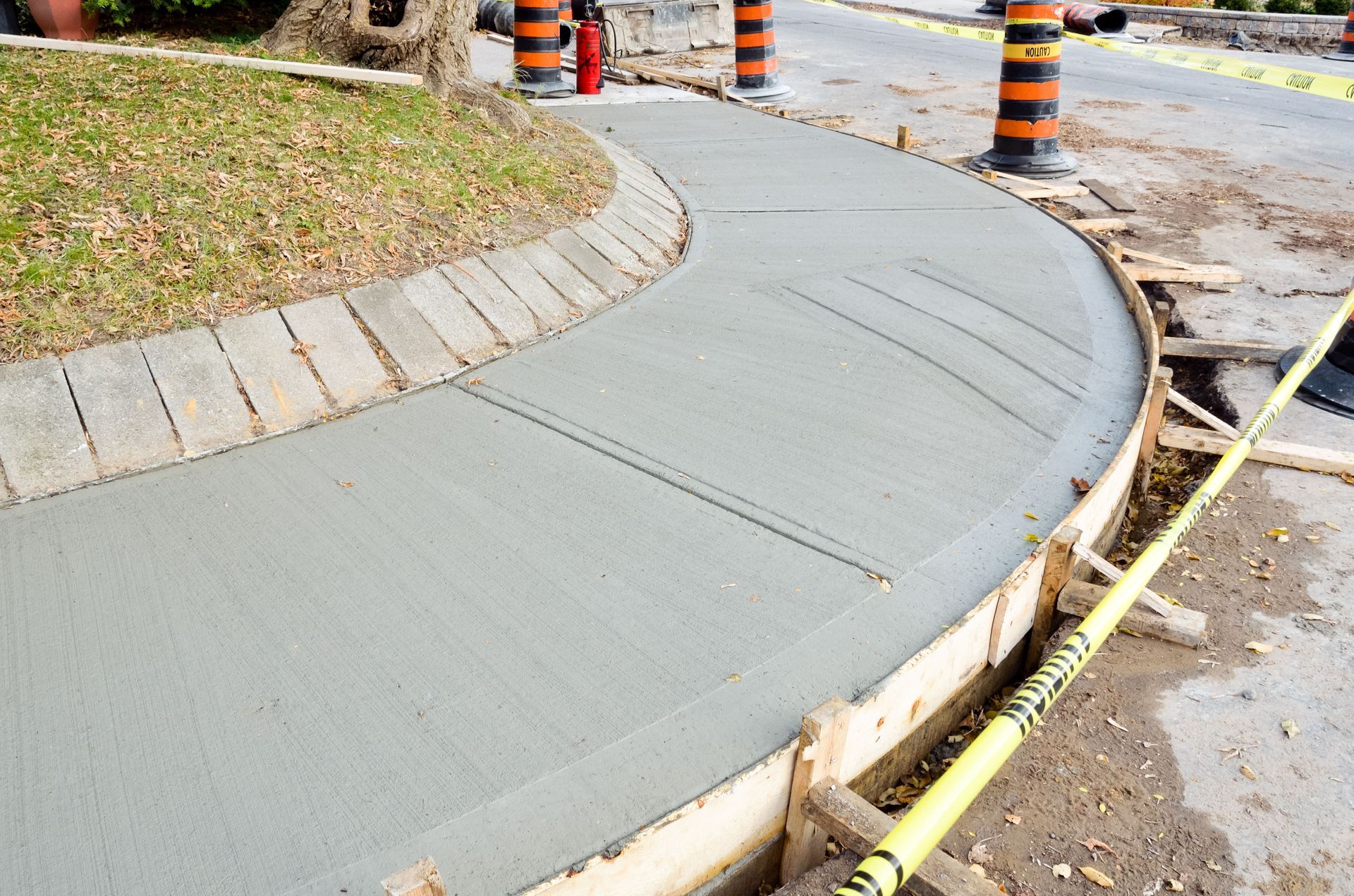
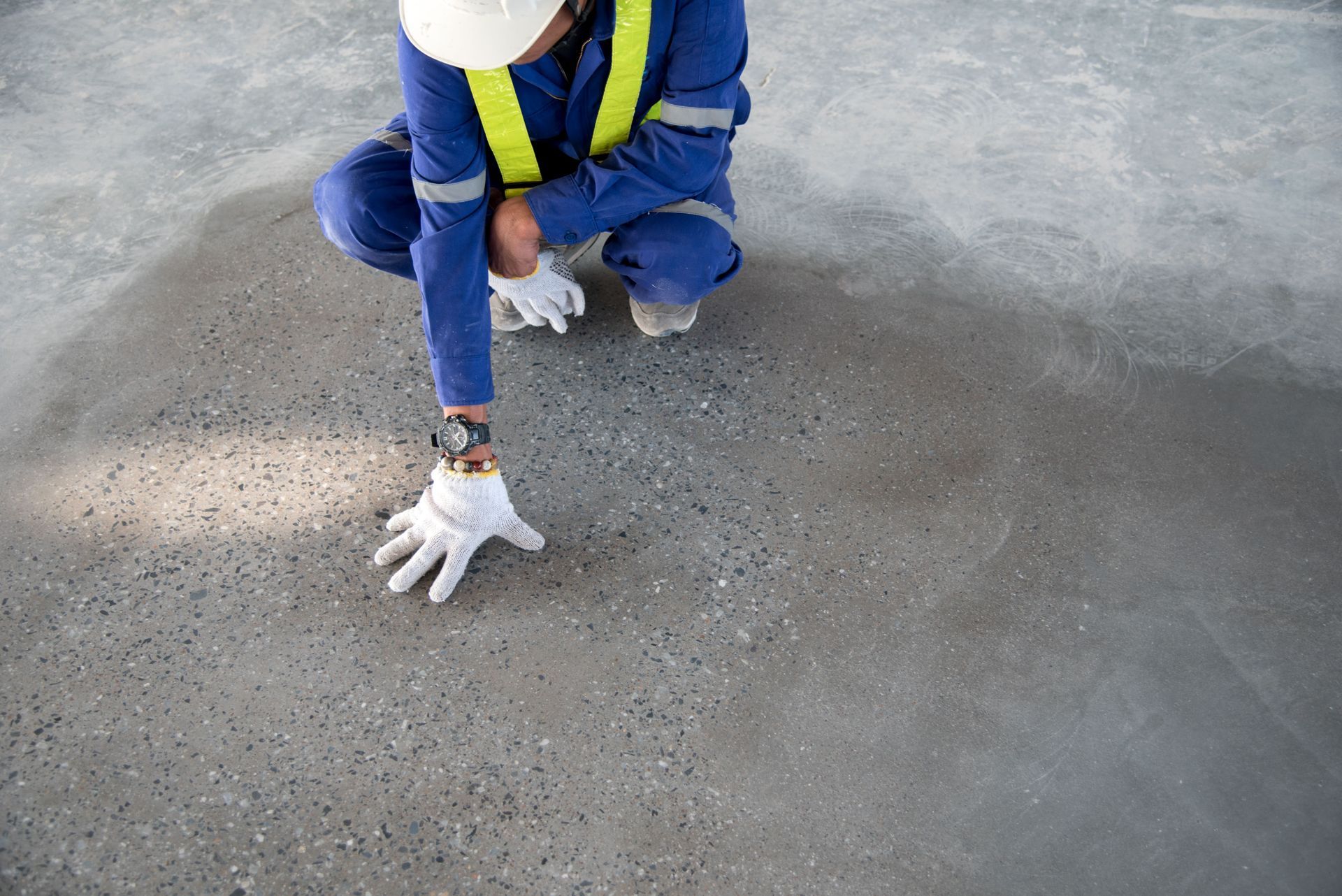
The curing process is a crucial determinant of concrete's long-term strength and durability. Initially, curing involves maintaining adequate moisture, temperature, and time to allow the concrete to achieve desired strength and wear resistance. The failure to properly cure can lead to the development of shrinkage cracks, compromising structural integrity. Best practices include using water curing methods such as wet coverings or sprays that maintain high humidity levels around the concrete. Additionally, curing compounds that form a moisture-retaining coating can be employed for effective results.
The duration of the curing period is another essential consideration, often recommended for at least seven days for most Portland cement concrete applications and longer for more robust requirements. Accelerated strength gain can be achieved with steam or high-temperature curing, where specific applications necessitate rapid completion. It's critical to ensure uniform curing across the surface to avoid differential drying, which can result in weakness and unsightly blemishes.
The application of sealers shortly after the curing phase completes an effective strategy to protect against premature wear due to environmental exposure. Well-documented reports suggest that structures receiving optimal initial curing consistently outlast those with compromised processes. Homeowners and professionals alike are encouraged to prioritize curing as a decisive factor in extending the service life of concrete structures. Addressing the initial curing process can therefore fortify concrete's defences against future stresses, providing enduring stability and performance.
2. Common Factors Affecting Concrete Durability
2.1. Freeze-Thaw Cycles
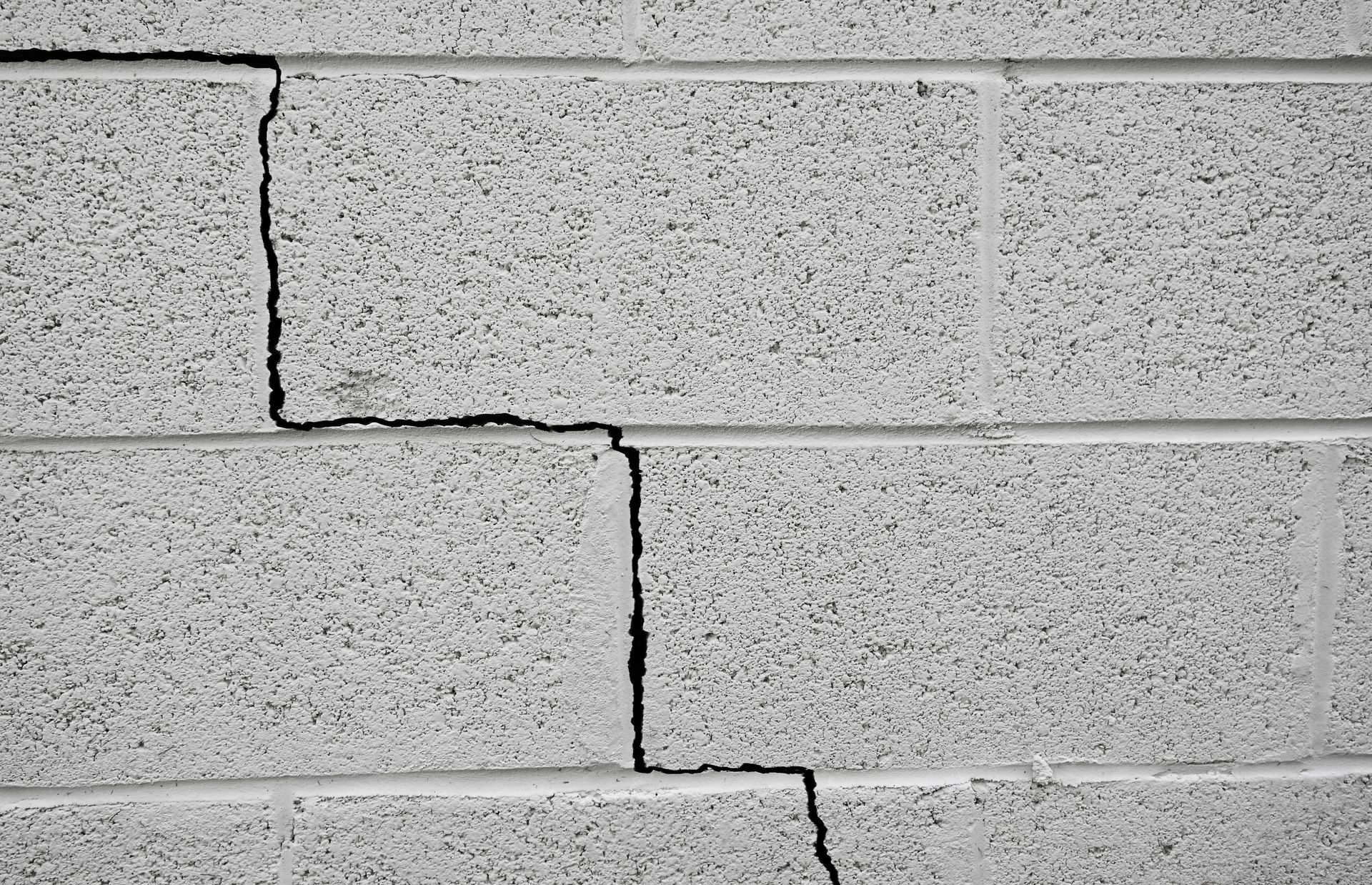
Freeze-thaw cycles present a formidable challenge to concrete's durability, especially prevalent in colder climates. The cyclical expansion and contraction due to water freezing within the concrete lead to structural stress and eventual cracking. Entrained air can significantly lessen damage by allowing space for ice expansion, reducing internal pressure on the concrete matrix. Protecting concrete surfaces with sealers also mitigates moisture ingress, which in turn diminishes freeze-thaw impacts. Regular winter maintenance, such as removing snow and using non-corrosive deicers, further reduces risk.
The American Concrete Institute recommends specific practices for locations experiencing severe freeze-thaw cycles, incorporating resistant mixtures and adequate drainage systems. Employing additives that improve freeze-thaw resistance is also suggested, reinforcing the concrete's adaptive capacity. According to studies, concrete infrastructure appropriately designed for such environments exhibits significantly reduced incidence of spalling and scaling.
Constant vigilance and planning for potential freeze-related effects are indispensable to preserving concrete integrity and esthetics. Landscaping and runoff design must ensure that water does not pool near concrete surfaces during winter. By anticipating the effects of temperature variations, practitioners apply foresight crucial in staving off avoidable deterioration. Ultimately, implementing multi-tiered defense strategies fortifies structures against the relentless freeze-thaw cycle.
2.2. Chemical Exposure
Concrete is susceptible to damage from various chemicals commonly present in the environment. Deicers and road salts, for example, can infiltrate concrete and exacerbate freeze-thaw damage by promoting greater water absorption and accelerating rust in reinforced steel. Acid rain exposure leads to surface erosion and increased porosity, decreasing structural lifespan. Employing chemical-resistant coatings and sealers is a proactive measure against such threats.
Industrial environments pose additional hazards, exposing concrete to aggressive chemical agents that can rapidly compromise integrity. For such scenarios, using specialized concrete mixes designed to resist chemical exposure is advisable. Regular maintenance and cleaning remove contaminants before they initiate reactions, preserving concrete quality.
Education on the impact of chemicals and guidance on minimizing exposure are integral to extending concrete's service life. Periodic inspections allow for timely identification and remediation of chemical damage. Implementing protective measures safeguards concrete, affirming durability and functionality while mitigating risks from chemical interactions. Through diligence and contemporary solutions, concrete encounters less vulnerability to the erosive effects of chemicals.
2.3. Load and Stress Factors
Concrete structures face various loads and stress scenarios that can compromise lifespan if unaddressed. Static loads, such as the weight of the structure itself, necessitate sufficient compressive strength to counter fatigue over time. Dynamic loads, including traffic on roadways or movement in buildings, introduce additional stresses requiring reinforcement strategies. Utilizing rebar or post-tensioning can increase tensile capacity and distribute loads more evenly.
Stress points not accounted for during the design phase often become the genesis of crack propagation, leading to reduced structural integrity. Therefore, it's essential to conduct comprehensive load assessments to identify and reinforce vulnerable regions. Structural beams and columns should be designed to handle both expected and unexpected load variations.
Proper consideration of load dynamics in collaboration with engineering experts extends the lifecycle, where structures harmoniously bear and distribute stresses without adverse effects. Installing expansion joints permits necessary movement without damaging concrete, averting conflict between rigidity and flexibility. As construction demands shift, employing advanced techniques for managing load and stress ensures durability and resilience amid increasing infrastructural demands.
As you can see, there are many factors that go into the lifespan of concrete. If you're looking for an expert concrete contractor, contact Stallion Concrete Inc today.