February 18, 2026
Stamped concrete is a popular choice for outdoor spaces due to its versatility and aesthetic appeal. This article will guide you through the essential considerations for choosing the best stamped concrete for your project, ensuring that you achieve the desired look and durability. From design considerations to installation techniques, every aspect of your project can be planned meticulously. Moreover, understanding cost implications and maintenance requirements will help ensure a long-lasting investment. With this comprehensive guide, you'll be equipped to make informed decisions about enhancing your outdoor areas with stamped concrete.
Understanding Stamped Concrete
Definition and History
Stamped concrete is a method where patterned molds are used to imprint on fresh concrete to create the appearance of stones such as slate, brick, or wood. Its history dates back to the 1950s when it emerged as a novel way to combine the durability of concrete with the aesthetic appeal of these natural materials. Initially, the range of patterns and colors was limited, but technological advancements have since broadened the options. Today, it is a go-to solution for many due to its ability to replicate high-end materials at a fraction of the cost. Its evolution highlights the construction industry's focus on innovation and cost-effectiveness.
Advantages of Stamped Concrete
Stamped concrete is celebrated for its design flexibility, allowing homeowners to personalize spaces with unique patterns and colors. It is also extremely cost-effective, often priced lower than materials like pavers or natural stone. Durability is another significant advantage; with proper care including resealing every two to five years, stamped concrete can withstand various weather conditions over decades. In addition, maintenance is relatively straightforward compared to other surfaces, requiring basic routine cleaning. These benefits make stamped concrete a highly desirable option for many outdoor projects.
Common Uses and Applications
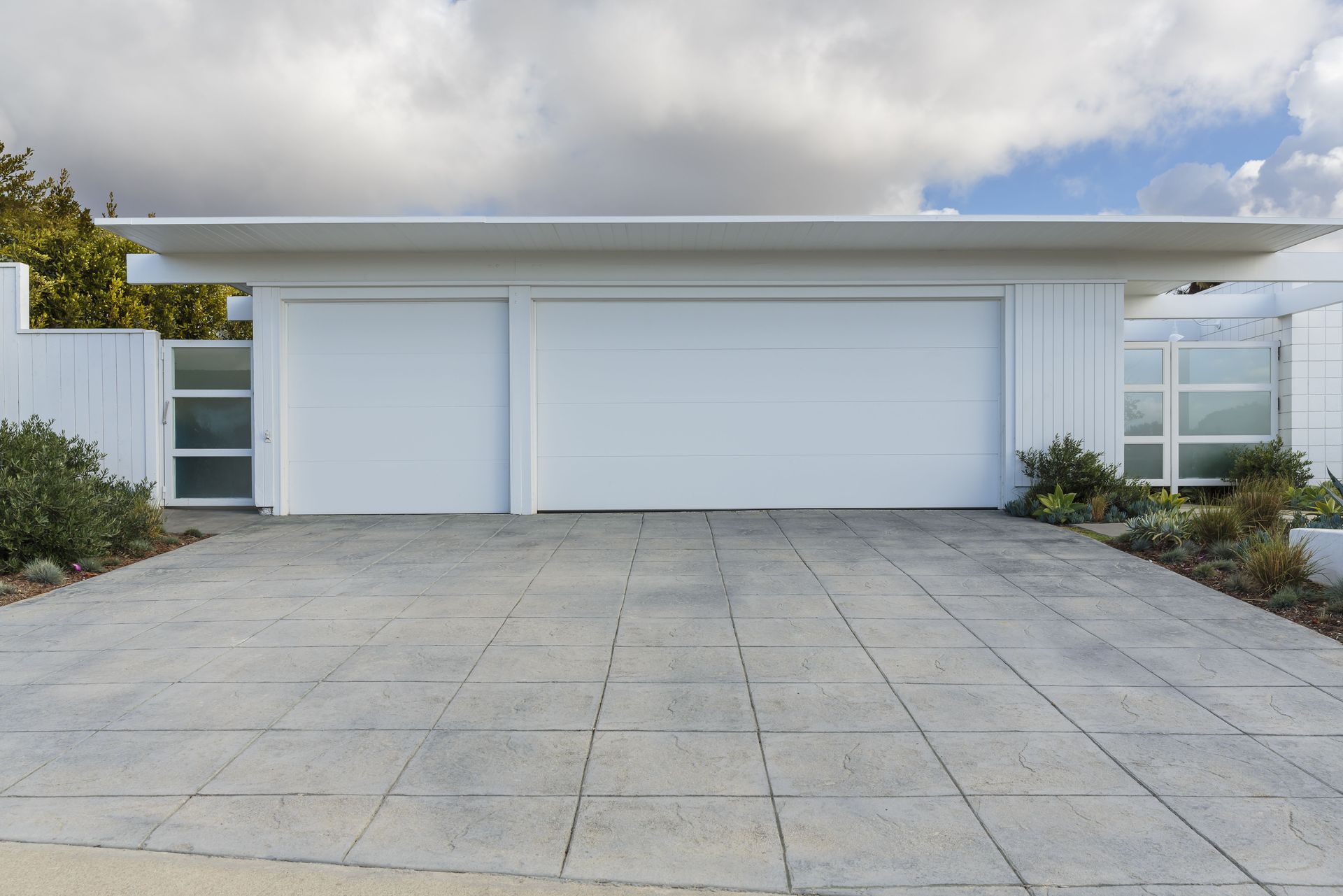
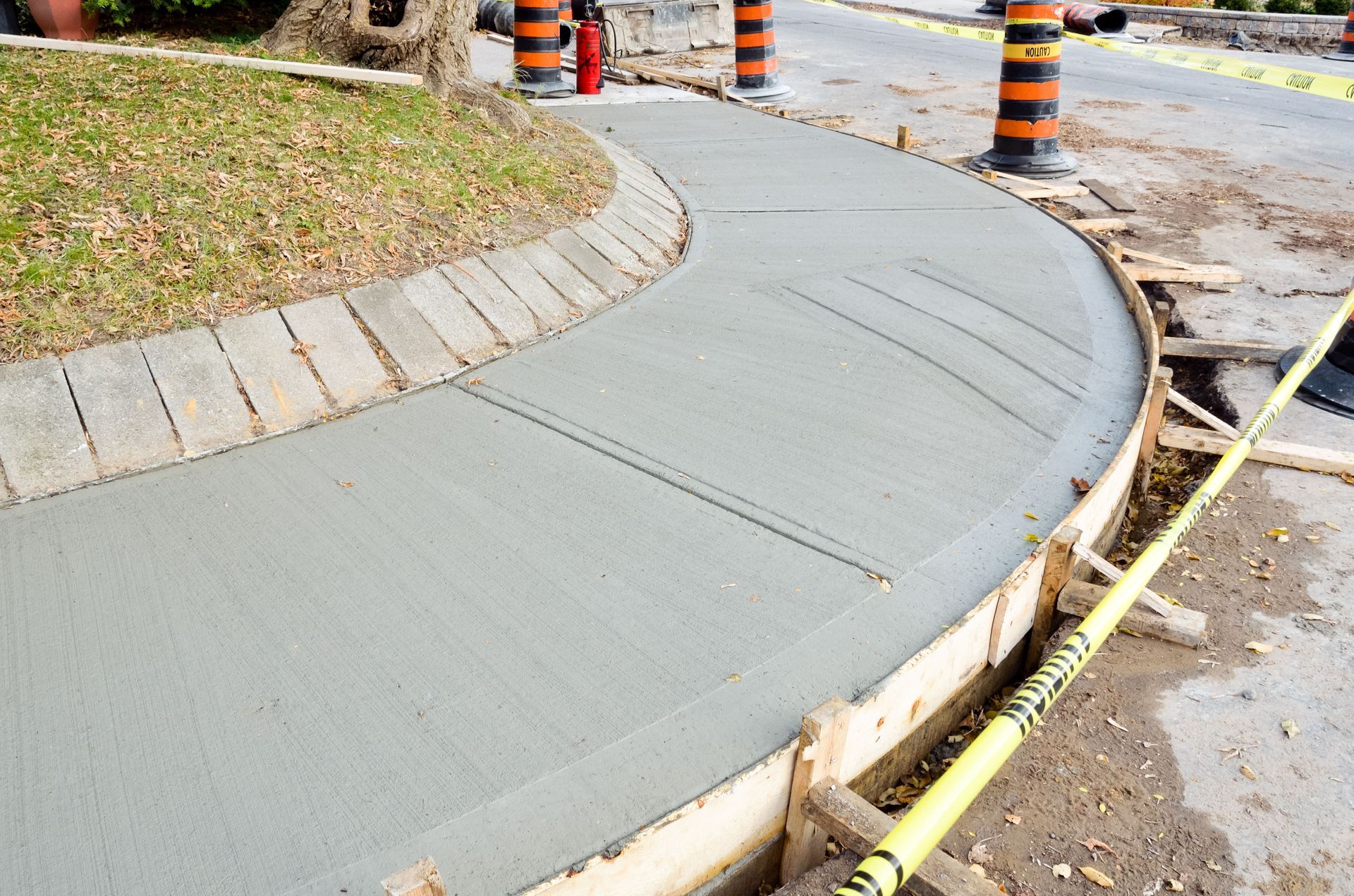
Stamped concrete is frequently used in various outdoor applications due to its adaptability. Patios and walkways are ideal candidates for stamped concrete, as the patterns can beautifully complement the natural surrounding environment. Driveways are another common application, where the strength of concrete is combined with sophisticated designs to enhance curb appeal. Pool decks benefit from the non-slip textures that stamped surfaces can provide, creating a safe and attractive space. Additionally, commercial properties often use stamped concrete for aesthetic and functional reasons, leveraging its longevity and decorative potential.
Comparing Stamped Concrete to Other Materials
When comparing stamped concrete to alternatives like pavers and natural stone, several factors come into play. Pavers offer more flexibility in terms of repairs, as individual pieces can be replaced; however, they tend to be more expensive and may shift over time. Natural stone provides a genuine appearance but often comes with higher costs and susceptibility to weather-related wear. Traditional concrete lacks the decorative flair found in stamped concrete but is typically the most affordable option for large areas. Stamped concrete offers a balanced mix of aesthetics and practicality, making it a suitable middle-ground choice for many projects.
Limitations of Stamped Concrete
Despite its advantages, stamped concrete comes with some limitations that should be considered. One potential drawback is its susceptibility to cracking, especially in regions with extreme temperature fluctuations. Regular maintenance, including resealing every two to five years, can mitigate these issues but still represents an ongoing commitment. Moreover, installation requires skilled labor, as improper techniques can lead to less-than-desirable results and structural weaknesses. Understanding these limitations helps in planning realistic expectations and preparing for any necessary upkeep.
Design Considerations
Choosing the Right Patterns
Selecting the right pattern for stamped concrete involves a thoughtful consideration of the existing architecture and landscape. Patterns can range from elaborate designs that mimic cobblestones to subtle, sleek linear patterns appropriate for modern settings. The choice should enhance the aesthetic cohesion of your outdoor space, complementing surrounding elements. Additionally, the pattern can influence practical aspects, such as slip resistance and perceived space dimensions. Collaborating with experienced designers or contractors can help in choosing patterns that align with your vision and functional needs.
Selecting Appropriate Colors
Colors play a crucial role in the visual impact of stamped concrete, offering endless possibilities for personalization. When selecting colors, it's important to consider the existing color palettes in your surroundings, including structures and vegetation. Earthy tones can create a harmonious balance with natural environments, while bolder colors make a striking statement in urban designs. Color choice not only affects aesthetics but can also influence heat absorption and comfort for outdoor areas exposed to sunlight. Experimenting with color samples can help in making informed decisions that enhance the overall appeal.
Incorporating Textures
Textures add depth and a tactile element to stamped concrete, enhancing its realistic appearance. By varying surface textures, you can mimic the feel of materials like stone or brick while maintaining the practicality of concrete. Textured surfaces can also provide additional slip resistance, making them ideal for areas around pools or steps. These small details significantly impact both the functionality and aesthetic appeal of the space. Working with a contractor skilled in texture application helps in achieving the desired outcome while ensuring that the surface remains safe and visually appealing.
Aligning with Overall Landscape Design
Ensuring that stamped concrete aligns with the overall landscape design requires strategic planning. It is crucial that the design complements existing features, such as plant beds, architectural elements, and neighboring structures, to create a unified look. This suggests a seamless blend, where concrete surfaces become extensions of the landscape rather than isolated elements. Carefully planned transitions from stamped surfaces to natural elements or other materials can enhance the flow and usability of the space. Incorporating these strategies leads to a cohesive and well-balanced landscape design.
Considering Future Trends
Thinking ahead regarding design trends can ensure your stamped concrete project remains contemporary over time. Environmental sustainability is an emerging focus, and incorporating eco-friendly practices and materials can future-proof your design. Additionally, trends towards more natural-looking surfaces encourage choosing patterns and colors that reflect organic beauty. By integrating these elements, you can create timeless spaces that continue to appeal and function effectively in the years ahead. Staying abreast of evolving trends can help guide design decisions that retain both visual appeal and market value.
Material Selection
Understanding Concrete Mixes
Choosing the right concrete mix is essential for achieving the desired durability and finish for stamped concrete. Different mixes offer varying strengths and finish characteristics, so selecting the appropriate type is crucial based on project requirements. For exterior applications such as driveways and walkways, a higher strength mix may be necessary to withstand wear and tear. Additionally, special additives can be used to enhance workability or resistance to specific environmental conditions. Understanding these options equips you to choose materials that perform well and meet long-term expectations. According to Concrete Network, stamped concrete typically needs resealing every two to five years.
By understanding the properties and options available with stamped concrete, you can make informed decisions to enhance your outdoor spaces. This guide provides a comprehensive overview of design, material selection, installation, maintenance, and cost to ensure the success of your project. Informed choices pave the way for creating beautiful, durable, and functional areas that add value and enjoyment to any setting. Embrace the potential of stamped concrete, with its balance of aesthetics and practicality, for an outdoor space that withstands the test of time. Equipped with this knowledge, you're ready to embark on a stamped concrete project that meets your highest expectations. Be sure to reach out to Stallion Concrete Inc today for more information on our professional stamped concrete!