April 14, 2026
Stamped concrete continues to be a smart option for property owners who want a surface that combines visual appeal with long-term performance. From patios and pool decks to walkways and driveways, it offers flexibility in design while holding up well under daily use. Working with a stamped concrete contractor can help you avoid common mistakes and make better choices about layout, texture, color, and maintenance. The right approach early in the process often leads to a more polished result and fewer repairs later.
1. Choosing the Right Design
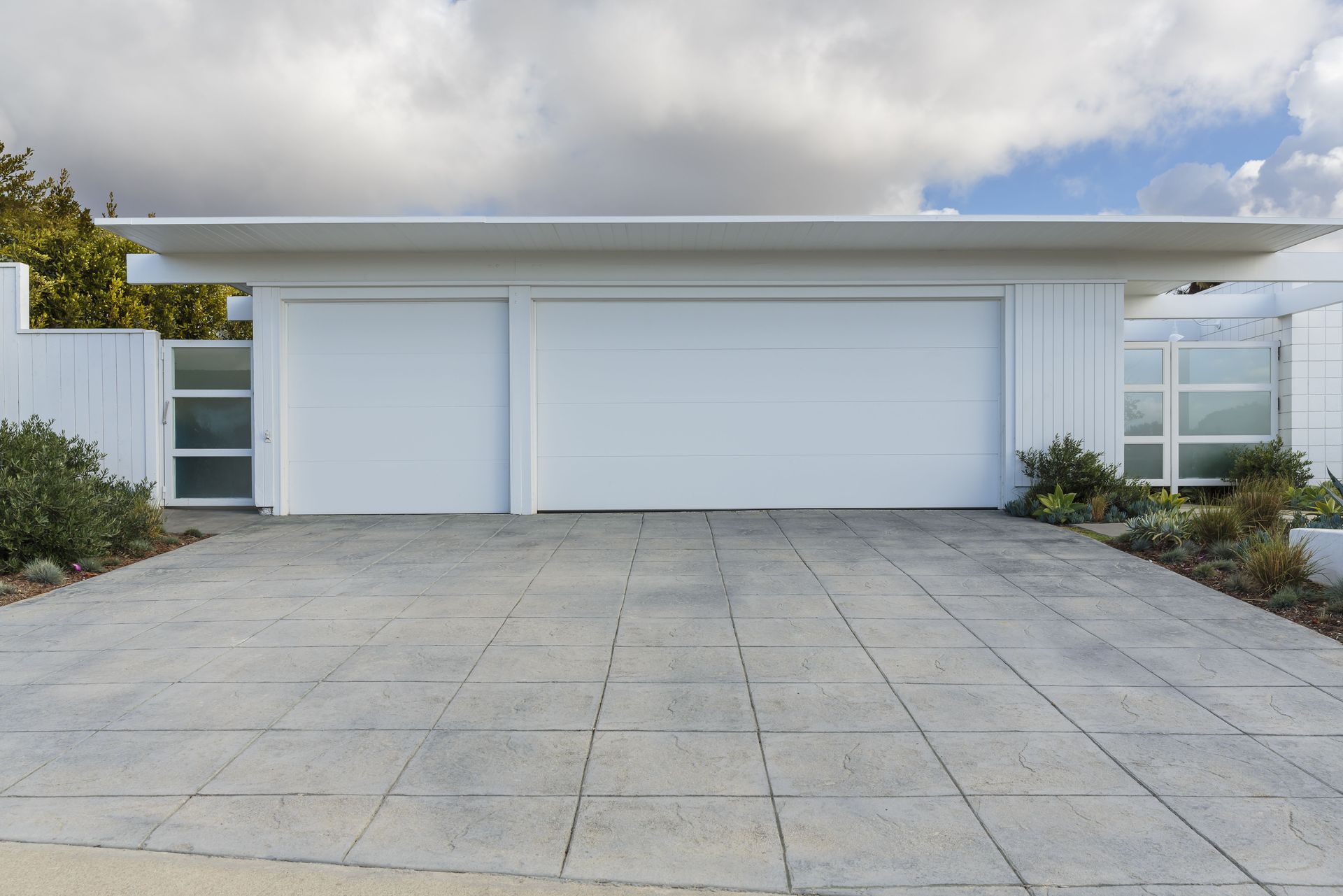
Selecting a design starts with understanding how the finished space will be used every day. A driveway has to handle vehicle weight and repeated traffic, while a patio may need to prioritize comfort, slip resistance, and visual harmony with the home. Thinking through the function of the space helps narrow down the best pattern depth, joint placement, and finish. This is one of the first areas where a stamped concrete contractor can provide useful insight based on layout, exposure, and expected wear.
Pattern selection should also support the style of the property rather than compete with it. Brick and cobblestone patterns create a traditional look, while slate and ashlar finishes often feel more refined and contemporary. It is helpful to view pattern samples outdoors instead of relying only on showroom photos, since natural light can change how texture and detail appear. A good design should feel intentional and blend naturally with surrounding hardscaping, which is why many property owners consult a stamped concrete contractor before making final selections.
2. Making Smart Color Choices
Color has a major impact on the final appearance of stamped concrete, and it deserves more attention than many property owners expect. Earth tones remain popular because they resemble natural stone and age gracefully, but deeper browns, grays, and layered antiquing can also create a rich custom finish. Choosing a color that complements the siding, trim, roof, or nearby landscaping usually produces the most cohesive result. Small sample pours or test areas can help confirm the choice before the full installation begins.
It is also important to remember that color can influence maintenance expectations. Lighter shades may show dirt less in some settings, while darker tones can highlight dust, hard water residue, or fading if the surface receives intense sunlight. Accent release colors can add dimension, but they should be used carefully so the finish does not look overly artificial. A stamped concrete contractor can also explain how different color systems may perform over time in specific outdoor conditions.
3. Preparation and Site Planning
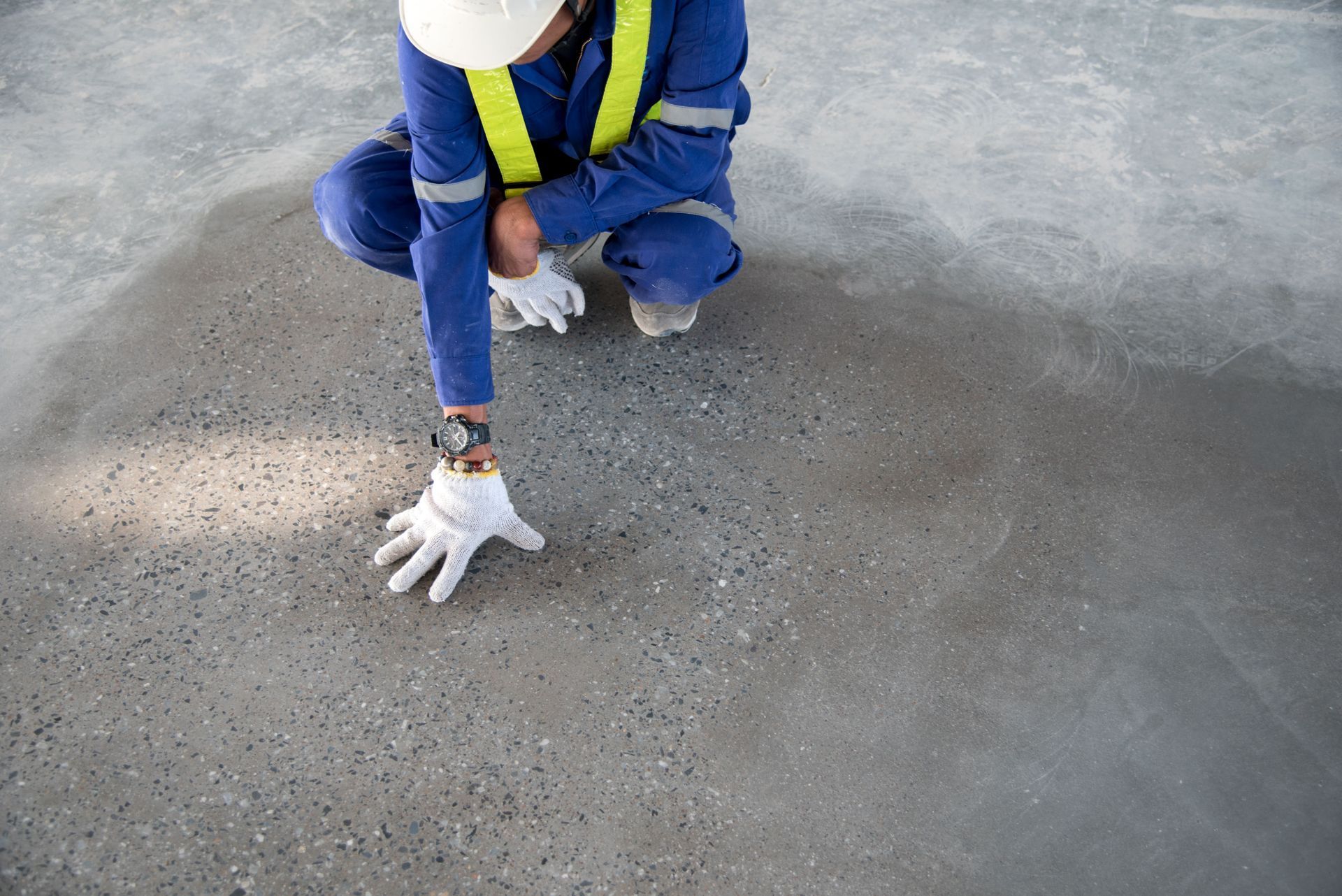
Strong results depend on proper planning long before the concrete is poured. The site should be evaluated for grading, drainage, nearby trees, soil conditions, and any structural concerns that could affect stability. If water tends to collect in the area, that issue needs to be corrected before installation begins. A stamped concrete contractor will usually check whether the base depth, slope, and reinforcement plan are appropriate for the project type and local conditions.
Measurements also matter more than many people realize. Accurate dimensions help determine material quantities, labor needs, border placement, and pattern alignment. Even small layout mistakes can lead to awkward cuts, wasted material, or design inconsistencies that are obvious once the work is complete. Careful planning at this stage saves time, reduces unnecessary expense, and makes the rest of the installation process move more smoothly.
4. Budgeting for a Better Outcome
Creating a realistic budget helps prevent rushed decisions that can hurt quality. In addition to materials and labor, property owners should account for demolition, grading, reinforcement, coloring agents, sealers, and possible drainage improvements. Decorative borders, custom scoring, and premium textures can add to the final price, so it helps to decide early which upgrades matter most. A complete budget makes it easier to compare proposals fairly and understand what is actually included.
It is also wise to reserve funds for maintenance after installation. Sealing, minor repairs, and routine cleaning are part of preserving the surface, not optional extras. Some low bids may leave out important preparation steps, which can create bigger costs in the future. Spending carefully is important, but value should be judged by workmanship and process rather than price alone. Hiring a stamped concrete contractor who explains costs clearly can make budgeting more practical and transparent.
5. Base Preparation and Pouring Conditions
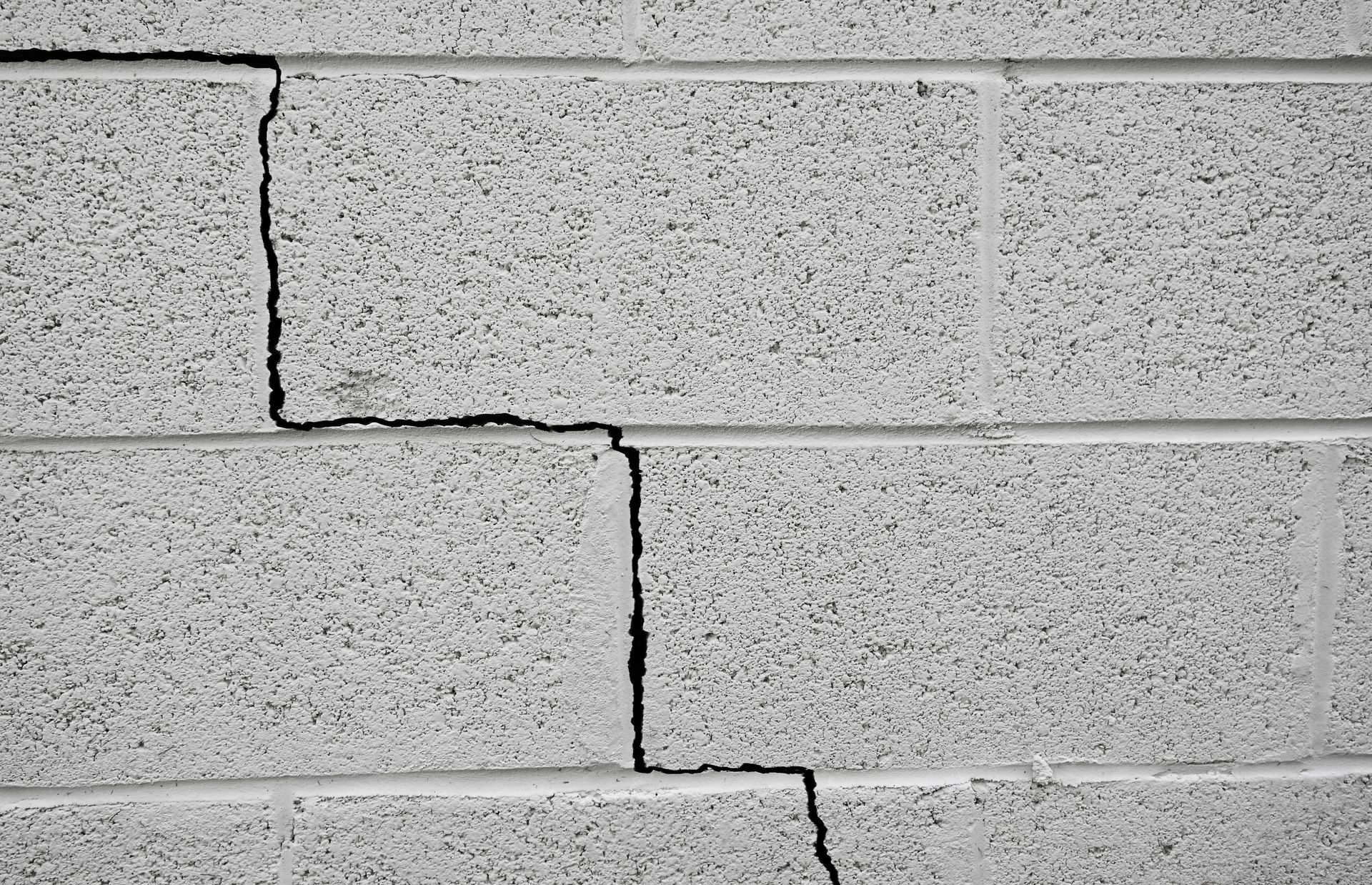
The base beneath stamped concrete supports everything above it, so this stage should never be rushed. The ground must be excavated to the proper depth, compacted thoroughly, and built up with a stable base material when needed. Without that support, surfaces are more likely to crack, shift, or settle unevenly. A well-prepared base creates the conditions for better drainage and stronger long-term performance.
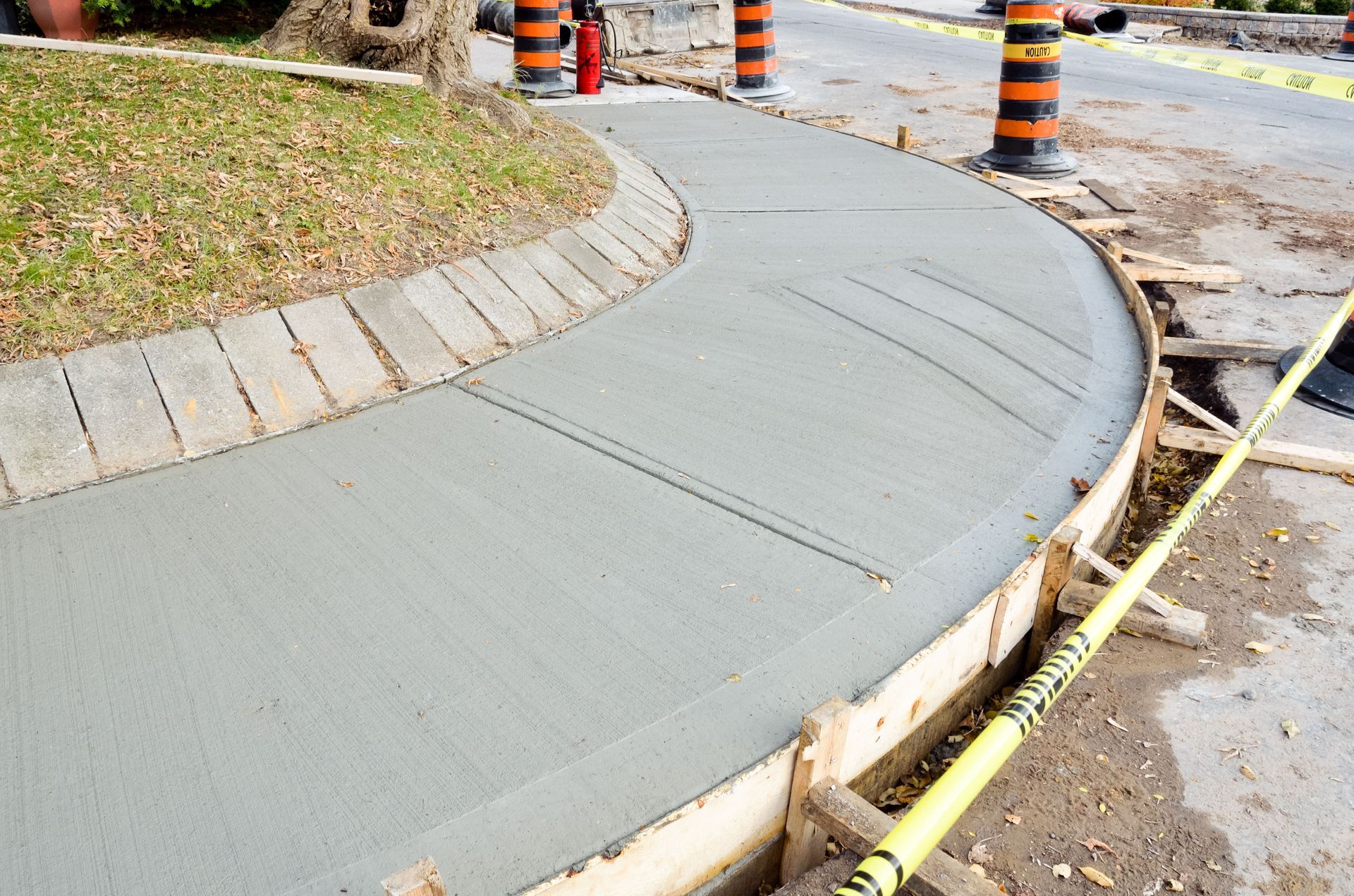
Weather and timing also affect the pour. Extremely hot, cold, or windy conditions can change how quickly the concrete sets, which influences finishing and stamping. Installers need enough working time to color, texture, and detail the surface before it hardens too much. Good planning around the forecast helps protect pattern clarity and overall consistency across the slab. According to This Old House, a stamped concrete walkway can last around 25 years with minimal repairs, which makes careful installation and maintenance even more worthwhile.
6. Stamping Technique and Timing
The stamping stage is where craftsmanship becomes highly visible. Mats must be applied at the right time, with the right pressure, and in the right sequence to create a natural-looking pattern. If the concrete is too wet, the texture can look muddy or distorted. If it is too firm, the impression may be too shallow and lack the detail that gives stamped concrete its character.
Consistent alignment is equally important, especially on larger surfaces where repeated patterns can become obvious. Skilled crews know how to rotate tools, vary placement, and maintain a steady workflow that keeps the finish looking authentic. A stamped concrete contractor with experience in decorative work can usually spot timing issues quickly and make adjustments before they affect the appearance of the full slab.
7. Maintenance That Protects the Surface
Routine maintenance helps stamped concrete keep its color, texture, and durability. Basic cleaning with a broom, blower, or gentle wash removes debris that can trap moisture or wear against the sealer. Spills should be cleaned promptly, especially oil, grease, fertilizer, or chemicals that might stain the finish. Keeping the surface clear also makes it easier to notice small issues before they become larger ones.
Sealing is one of the most important parts of upkeep. A quality sealer helps defend against moisture, sunlight, abrasion, and seasonal wear. Depending on traffic levels and climate, resealing may be needed every few years to maintain protection and appearance. Regular attention keeps colors richer, reduces surface wear, and helps extend the life of the installation.
Stamped concrete offers a durable and attractive way to improve outdoor surfaces when the project is planned carefully from the beginning. Design choices, base preparation, timing, sealing, and repair strategy all affect how well the finished surface performs over the years. By understanding these practical considerations, property owners can make more confident decisions and avoid many of the problems that lead to disappointing results. Whether the goal is to upgrade a patio, refresh a driveway, or create a more polished walkway, the details matter. Asking the right questions, budgeting realistically, and focusing on long-term performance can make the project far more successful. With the right preparation and maintenance, stamped concrete can deliver both beauty and function for many years. Contact our team at Stallion Concrete Inc today and learn more about our concrete services.